
An interview with Viktor Majoros, Director of Operations at Medres
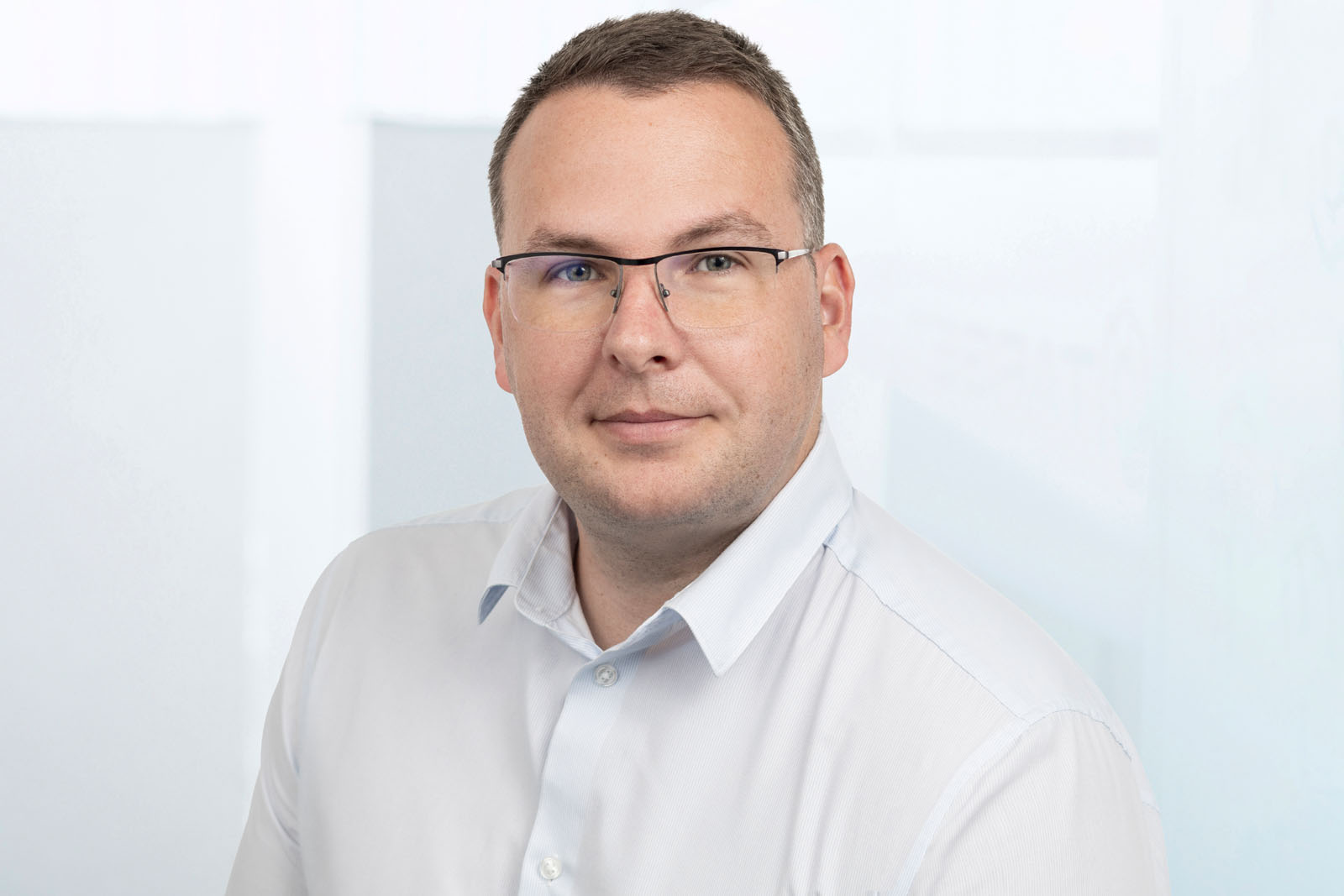
In MedTech CDMO manufacturing, efficiency is not about peak performance. It is about delivering stable, predictable output—every day, under changing conditions. In this interview, Viktor Majoros, Director of Operations at Medres, explains how efficiency is designed into manufacturing architecture and sustained at scale.
How do you define operational efficiency?
Operational efficiency is the ability to deliver stable, predictable output—even during changeovers, ramp-ups, or daily variability. It is not about peak speed, but about reliability: stable cycle times, controlled variation, and fast recovery from deviations.
What impacts day-to-day efficiency the most?
Flow and simplicity. Efficient material flow reduces work-in-progress, handling, and waiting time—defining the layout of our new production areas. Reducing the number of operations through smart product or process design means fewer interfaces, lower risk, and more predictable execution.
Setup time and changeovers are often critical in cleanroom manufacturing. How do you address this?
Lean tools such as SMED help reduce changeover losses, but only on a stable process foundation where variability is already controlled. We therefore focus on standardization first, then optimization.
Losses during shift changes, product switches, start-ups, and shutdowns are equally critical, as small inefficiencies quickly accumulate. People and resources are also essential: clear role definition and structured training methods such as Training Within Industry (TWI) ensure every setup is executed the same way, every day.
How does scalability connect to efficiency?
Scalability means performance remains stable as volumes or product mix change. Our new facility, for example, was designed to be scalable from the outset, supporting fast changeovers, structured ramp-ups, and controlled expansion without constant firefighting.
Strong upfront planning—clear assumptions on timing, scrap levels, and resource needs—combined with continuous tracking is essential to detect and correct deviations early.
How do you balance standardization and flexibility?
Standardization and flexibility are not opposites—they operate on different levels. We standardize manufacturing architectures, core processes, and ways of working, while allowing flexibility where products or customer requirements genuinely differ.
This supports efficient flow, predictable changeovers, and scalable execution without rebuilding processes for every new project. The goal is to absorb variability without introducing unnecessary complexity into daily operations.
What role do digital tools play?
Digital tools increase transparency and reaction speed. Real-time data, inline measurement, and traceability allow early detection of instability. The key is integration—tools must support operators and engineers in daily decisions without adding administrative burden.
What signals indicate efficiency losses early?
We monitor leading indicators: productivity, First Pass Yield (FPY), scrap rate, all-pass yield, changeover time, and losses during shift start-ups and handovers. We also track plan-versus-actual performance, back-order levels, and reaction time to deviations.
From a people perspective, absence rate and fluctuation rate provide early signals of instability. Equipment reliability is monitored through MTBF and mean time to repair (MTTR). Visibility of these metrics creates value only when it triggers timely corrective action at the right organizational level.
Looking ahead, what is the biggest challenge in maintaining operational efficiency?
The biggest challenge is managing increasing complexity without losing stability. Product portfolios are expanding, regulatory expectations are rising, and customers expect faster ramp-ups with zero compromise on quality. In this environment, efficiency ultimately comes down to trust—consistently delivering on commitments, at the expected quality and timing, every single day.
Contact us
Interested in our services? Send us a message and we will get back to you shortly.
Connect with us
Quick Links
By submitting this form, I acknowledge that I have read and understood the Privacy Policy and agree to the processing of my personal data for the purposes stated therein.

Locations
Whistleblower protection lawyer, dr. Metzinger Péter – legal@medres-group.com