
Interview with Szilvia Szabó , Director of Process Development
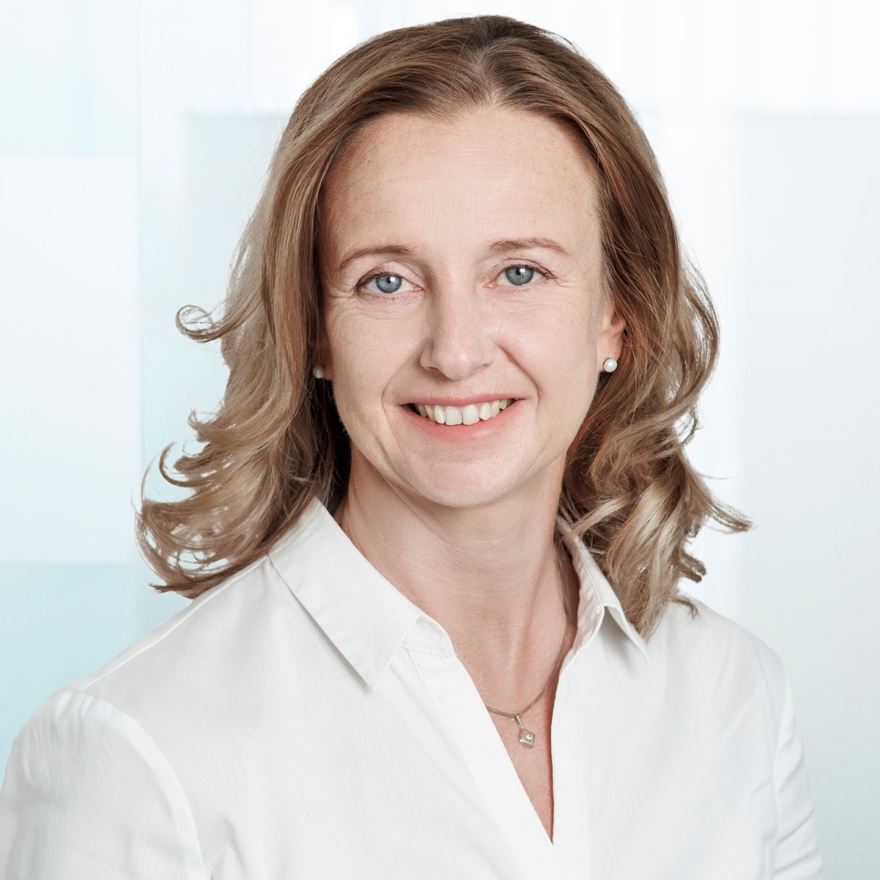
Building our new facility at Medres came with a clear goal: ensure the operation is compliant, efficient, and scalable for what comes next. To achieve this, the team had to design the entire process structure from scratch so that it meets the requirements of the new site. In this interview, Szilvia Szabó, Director of Process Development, shares how the team completed this work.
Where do you even start with a project of this size and complexity?
We started by bringing people together. Before any layout or flow could be designed, we created cross-functional workstreams involving manufacturing, quality, HR, logistics and facility. Each group contributed operational requirements to ensure the process design reflected real needs. We conducted joint process-mapping workshops and defined critical process parameters together. Once that was clear, we could design the layout — cleanrooms, warehouse, IQC lab, production areas and offices. Then we literally taped the layout onto the floor and walked it. It sounds simple, but it’s the best way to see whether the flow makes sense in real life.
What were the guiding principles as you built the new processes?
Three things. First, Quality-by-Design — quality has to be designed in from the start.
Second, simplicity and operability — processes must be maintainable in daily operations
Third, regulatory compliance — everything had to support traceability, data integrity, and ISO 13485 compliance.
These anchored all decisions, from workstation placement to documentation tools, and allowed us to design a site that is inherently scalable as our needs grow.
What were the biggest challenges during development?
One of the biggest challenges was that the new facility had completely different physical characteristics than the previous site, so we couldn’t transfer our existing workflows. Many processes had to be redesigned from the ground. At the same time, we had to plan not only for current production needs but also for future portfolio requirements. The key to managing this was keeping layout, quality, and capacity decisions aligned, and making all major decisions together with the teams involved.
How did the cross-functional teams work together ?
We moved forward with a clear goal. The team brought extensive professional experience, and mutual trust fostered effective collaboration. This strong foundation made it easy to work together, with each function contributing its own expertise and requirements into the operations.
Earlier you mentioned that the new site was designed to be “inherently scalable.” What does that actually look like in practice?
It means the site was intentionally designed to be scalable. We didn’t plan for maximum capacity — we planned for growth. Today we operate in a compact, efficient footprint, keeping connected process steps close to each other for smooth flow. But both the cleanroom and the warehouse include reserved zones that can be activated as demand increases. The process logic is already built for that expansion, so as volumes grow, the system can grow with them while maintaining tightly integrated material and process flow.
How did you ensure that the new processes are efficient and scalable?
We minimized process losses with efficiency in mind, managing material flow through Kanban while maintaining the inventory levels needed for operational continuity. We introduced modular process steps and selected equipment with flexible capacity. Additionally, wherever possible, we automated manual steps.
What does all this mean for Medres’ clients and partners?
For them, the main result is operational reliability. A system built on clear process logic, controlled transitions, and digital oversight means consistent delivery performance and better visibility. As demand grows, capacity can be increased without disrupting existing projects, enabling stable supply and faster integration of new collaborations. This setup strengthens long-term predictability and makes it easier to scale together with our clients’ needs.
And as a final question – what comes next now that the facility is operational?
The next step is to scale production in controlled phases as demand grows and to expand the supporting digital systems where they add real value, such as MES modules and enhanced traceability. Long term, the priority is to keep the system adaptable, ensuring it can absorb future requirements just as effectively as today’s.
Contact us
Interested in our services? Send us a message and we will get back to you shortly.
Connect with us
Quick Links
By submitting this form, I acknowledge that I have read and understood the Privacy Policy and agree to the processing of my personal data for the purposes stated therein.
Locations
Whistleblower protection lawyer, dr. Metzinger Péter – legal@medres-group.com